Run Your Air Conditioning On Solar, Installed By Ausgreen Solar Solutions
Cooling is often the single biggest driver of a summer power bill. Pairing the right solar system — and, if needed, a battery — with an efficient reverse-cycle air conditioner lets you run your AC on power you've already generated, designed and installed end to end by our CEC-accredited team.
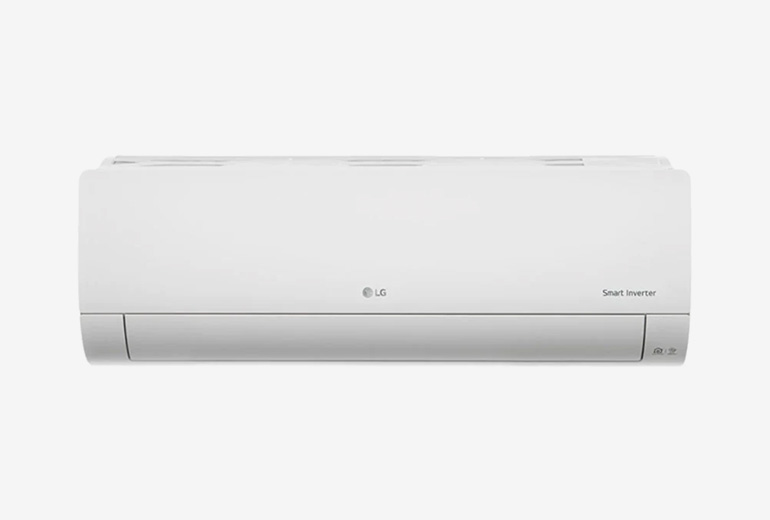
Air conditioning and solar, sized and installed together as one system
What Does It Mean To Run Air Conditioning On Solar?
Running air conditioning "on solar" doesn't usually mean a special DC-only air conditioner — for most Australian homes, it means sizing a standard grid-connected solar system, and your air conditioner's usage pattern, so the two work together. Your AC draws standard household AC power either way; the difference solar makes is in where that power comes from. Because a reverse-cycle system's biggest loads typically happen on hot, sunny days in the middle of the day, that's exactly when a well-sized solar system is producing the most power — letting you cool your home using electricity you've already generated instead of buying it from the grid.
Ausgreen Solar Solutions designs solar systems — and, where useful, battery storage — around your household's actual cooling pattern, rather than a generic package that ignores how and when you actually run your air conditioner.
⚡ Feed-In Tariffs Have Fallen — Using Your Own Power Now Matters More
Feed-in tariffs for exported solar have dropped substantially in most states, while grid import prices have not. That makes using your own solar directly — including for cooling — considerably more valuable than exporting it, which is why we now design systems around self-consumption first.
Ways To Pair Solar With Your Air Conditioning
There's more than one way to combine solar and cooling — the right setup depends on your home, your AC type and how much backup you want.
Solar-Only, Daytime Use
A standard grid-tied solar system sized to cover your AC's daytime draw, ideal for households mainly cooling while home during the day or running AC before bed.
Solar Plus Battery
Adding a battery stores excess midday solar so your AC can keep running into the evening and overnight without drawing on expensive grid power.
Ducted Reverse-Cycle + Larger Solar
Ducted systems draw more power than a single split, so we typically size a larger solar system — and often a battery — to match a whole-home cooling and heating load.
Smart Thermostat & Monitoring
Pairing your system with app-based monitoring and smart AC controls helps shift more of your cooling into the hours your solar is producing the most.
ℹ️ Off-Grid And DC-Direct Air Conditioners Are A Different Category
Some niche products connect solar panels directly to a DC-only air conditioner, mainly for off-grid or remote sites without reliable grid access. For most grid-connected Australian homes, a standard reverse-cycle air conditioner paired with a correctly sized grid-tied solar (and optional battery) system is the more cost-effective and widely supported approach — we'll help you work out which fits your situation.
What Makes Solar A Good Match For Air Conditioning
Cooling load and solar output tend to peak at the same time of day, which is what makes this pairing genuinely effective rather than just a marketing angle.
Matching Peak Demand To Peak Output
Air conditioning load is highest on hot, sunny afternoons — the same conditions that produce a solar system's highest output, so the two naturally line up.
Efficient Reverse-Cycle Systems
A higher-star-rated reverse-cycle system uses less power per degree of cooling, which means a given solar system can cover more of its running time.
Zoned & Multi-Split Options
Zoning a ducted system, or choosing a multi-split setup, lets you cool only the rooms in use, reducing the load your solar system needs to cover at any one time.
Battery-Backed Evening Comfort
Storing unused midday solar in a battery extends self-powered cooling into the evening, when AC use is often still high but the sun has gone down.
Lower Exposure To Rising Import Prices
As grid import prices climb and export payments shrink, using your own solar for a big, predictable load like cooling protects more of your bill from price rises.
Sized For Your Actual Home
Roof orientation, insulation, ceiling height and window coverage all affect cooling load — we size your solar system around your home, not a generic average.
VPP & Rebate Compatible
A correctly sized solar and battery system remains compatible with virtual power plant programs and current government rebates, on top of the running-cost savings.
App-Based Monitoring
Real-time generation and consumption monitoring makes it easy to see how much of your cooling is being covered by solar versus grid power.
Getting Solar-Powered Air Conditioning In 5 Steps
From first enquiry to switch-on — here's how a combined solar and air conditioning project runs with Ausgreen Solar Solutions.
Meet & Discuss
Tell us about your existing or planned air conditioning, when you typically run it, and your current power bills.
Site & Load Check
We assess your roof, existing solar or switchboard, and your AC's power draw to understand what a well-matched system looks like.
Sizing & Quote
An itemised quote recommending the right solar system size — and battery, if it makes sense — alongside any air conditioning work, including rebate eligibility.
Installation
Installed by our experienced, CEC-accredited team, configured so your cooling load is prioritised to use solar power first.
Handover & Support
Monitoring app setup, guidance on the best times to run your AC, and ongoing in-house after-sales support.
A Local Team Behind Your Solar-Powered Cooling
Over 10 years installing residential and commercial solar and battery storage across Australia.
New Energy Tech Approved Seller
Committed to meeting consumer protection standards throughout your customer journey with us.
10-Year Workmanship Warranty
Installation team with a decade of experience, plus a seasoned inspection team for system design and sizing.
Top 10 ACT Solar Retailer 2025
Named one of Sunwiz's Top 10 Solar Retailers 2025 in the ACT region by volume.
In-House After-Sales Support
Assured after-sales support with our own in-house team for quality service and total information security.
Your Data Stays In-House
We use our own in-house CRM — your information is never shared with third parties or information brokers.
Top-Listed Products Only
We size your solar and battery system from our top-listed panel, inverter and battery brands, sourced from Germany, the US, China, Canada and Australia.
SkyBox Energy Management
Add deeper visibility into how your solar, battery and air conditioning load interact throughout the day.
Honest Sizing Advice
We recommend the system size that actually fits your cooling pattern and usage — not the largest system we can sell you.
What A Well-Run Project Looks Like
Solar and air conditioning are both long-term investments. These are the things worth getting right from the start.
- Confirm your installer is CEC-accredited and check their track record independently
- Size the solar system around when you actually run your AC, not just your roof space
- Check your air conditioner's star rating and running cost, not just its purchase price
- Get an itemised quote that separates the solar, any battery, air conditioning and rebates
- Ask whether a battery makes sense for your evening and overnight cooling habits
- Consider zoning a ducted system so you're not cooling rooms you're not using
- Set up production and consumption monitoring so you can see solar usage in real time
- Sizing solar for the house in general without accounting for a big AC load
- Assuming any solar system will automatically cut air conditioning bills to zero
- Buying a cheap, low-star-rated air conditioner that undermines your solar investment
- Ignoring insulation and shading, which affect cooling load as much as equipment choice
- Ruling out a battery without checking whether your evening cooling habits justify one
- Leaving monitoring app setup until "later"
Government Incentives That Can Reduce Your Cost
Depending on your location, eligibility and whether a battery is included, several government schemes can be combined with a solar and air conditioning project.
Solar Sizing By Cooling Setup
Every quote is tailored to your usage and home — this is a general guide to how households typically size solar around their air conditioning.
Single Split System
~6.6kW Solar System Suits one main living-area split systemA standard-sized solar system that comfortably covers the daytime running of one split system alongside everyday household usage.
Multi-Split Or Growing Family
~10kW Solar System Suits 2–3 split systems or moderate ducted useA larger system sized for multiple split systems or lighter ducted use, with room to add a battery for evening cooling later.
Ducted Or Whole-Home Cooling
13kW+ Solar System, Often With Battery Suits full ducted reverse-cycle systemsLarger systems, frequently paired with a battery, for whole-home ducted reverse-cycle heating and cooling with a bigger daily load to cover.
Solar & Air Conditioning Installation Service Areas
Ausgreen Solar Solutions installs solar, battery and air conditioning projects across NSW and ACT, alongside our EV charging services.
Frequently Asked Questions
Do I need a special air conditioner to run it on solar?
No — for most grid-connected homes, a standard reverse-cycle air conditioner works fine. The key is sizing your solar system (and battery, if you want one) around when and how much you actually run your AC, rather than needing a special DC-only unit.
Can solar power my air conditioner overnight?
Solar panels only generate during daylight, so overnight or evening cooling needs either grid power or stored battery power. Adding a battery lets you carry excess daytime solar into the evening for continued cooling.
How big does my solar system need to be for air conditioning?
It depends on your AC type and usage pattern — a single split system typically suits a standard-sized system, while ducted or multi-split setups usually need a larger system. We size this properly during your site assessment rather than guessing.
Will solar completely eliminate my air conditioning running costs?
Not entirely, in most cases — solar reduces how much grid power your AC draws, particularly during daylight hours, but overnight, extended cloudy periods or larger loads than your system covers will still draw some grid power unless backed by a sufficiently sized battery.
Is it worth adding a battery just for air conditioning?
It depends on how much of your cooling happens outside daylight hours. If you mainly run AC in the evening or overnight, a battery can meaningfully increase how much of that load is covered by your own solar rather than the grid.
Do I need to replace my existing air conditioner to benefit from solar?
Not necessarily — an existing efficient reverse-cycle system can be paired with a new or existing solar system. If your current unit is older and less efficient, replacing it alongside a solar upgrade often improves the overall savings.
What's the first step to getting a solar and air conditioning quote?
Book a free, no-obligation consultation using the form below or call 1800 063 388. We'll discuss your cooling habits, current or planned air conditioning, and prepare an itemised quote.
Request Your Free Solar & Air Conditioning Quote Today
CEC-accredited installation. 10-year workmanship warranty. No obligation. Response with a full project plan and itemised quote.
You might be able to get a loan to improve your home's energy efficiency.
Reduce your environmental impact with solar panels, batteries and other products like electric heating and cooling systems.
Eligible home owners can borrow up to $15,000. You have up to 10 years to repay it*. There's zero interest, and no upfront costs or fees.